Sports Bra Chafing: The Fix Nobody Tells You About
Quick Answer: Chafing usually comes from a band or strap that’s the right size but the wrong shape for your specific movement pattern, not just from sweat — a thin layer of anti-chafe balm at the friction point, combined with checking strap width, solves most cases that a bra size change alone doesn’t fix.
The instinct when a sports bra chafes is to assume it’s the wrong size, but a lot of chafing happens in correctly sized bras where the friction is coming from repetitive movement against a specific seam or strap edge, not from poor fit overall.
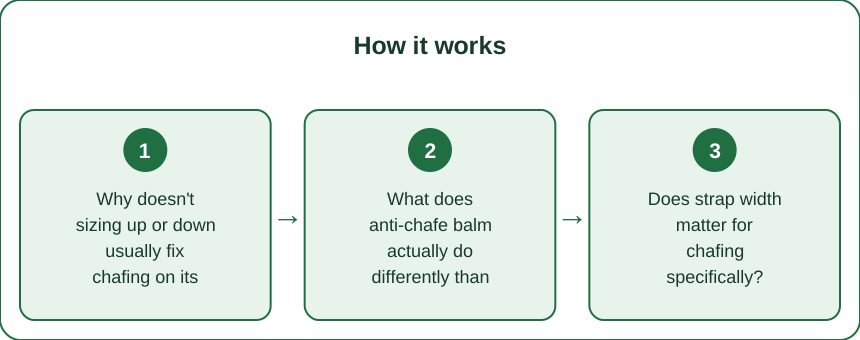
Why doesn’t sizing up or down usually fix chafing on its own?
If the bra fits correctly everywhere else (no gapping, no digging) but still chafes at one specific point, the problem is usually localized friction from a seam, strap edge, or band edge repeatedly rubbing during a specific movement, not overall bra size — changing size can sometimes even make this worse if it shifts a seam to a new friction point.
What does anti-chafe balm actually do differently than just changing bras?
A thin layer of balm at the specific friction point (not all over) creates a slip layer that reduces skin-on-fabric friction directly, addressing the mechanism of chafing rather than hoping a different bra avoids it entirely. This works even with a bra you already know fits well otherwise, without needing to replace it.
Does strap width matter for chafing specifically?
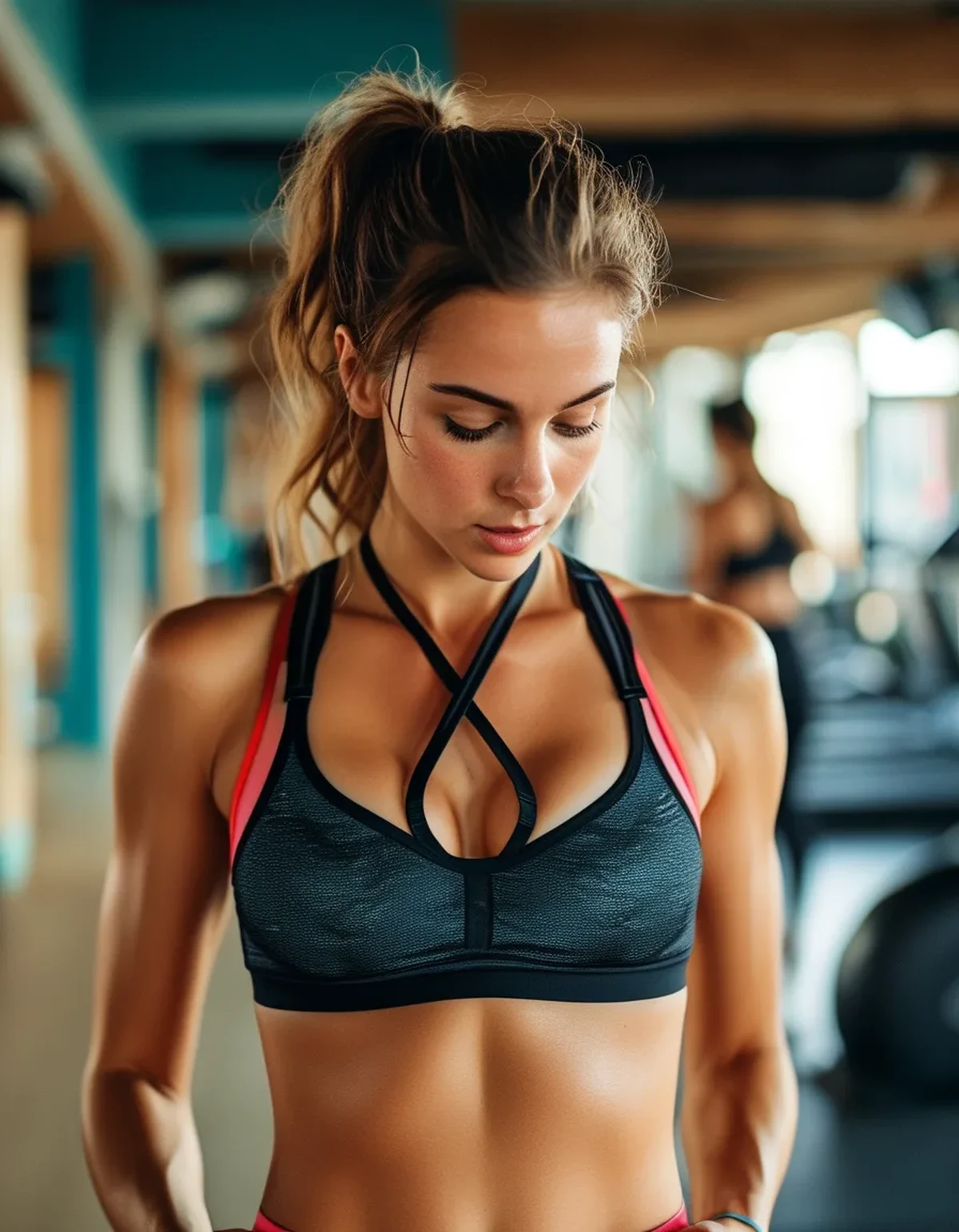
Yes — a narrower strap concentrates the same total pulling force onto a smaller area of skin, which increases friction and pressure per square inch compared to a wider strap distributing that same force over more surface area. For chafing-prone areas specifically, a wider strap design is often a more direct fix than a different size in the same narrow-strap style.
What Nobody Tells You About Sports Bra Chafing
Chafing often gets worse with a damp bra from a previous workout, not a wet one from the current session. A bra that hasn’t fully dried between wears retains a rougher, stiffer fabric texture than a fully dried one, which increases friction from the very first rep — always confirming a bra is completely dry before wearing it again is a simple, often-overlooked fix.
FAQ: Sports Bra Chafing Questions, Answered
Is chafing more common with certain fabric types?
Yes — rougher-textured or heavily seamed fabrics tend to chafe more than smooth, flat-seam construction, regardless of brand or price.
How often should anti-chafe balm be reapplied during a longer workout?
For sessions over an hour with significant movement, a quick reapplication at the halfway point is reasonable if the first application feels worn off.
Can chafing indicate a bra is actually the wrong size, even if it seems fine otherwise?
It can — persistent chafing that balm and strap adjustments don’t resolve is worth rechecking against a proper fitting, since a subtle size issue can still be the underlying cause.
TL;DR:
- Chafing at one specific point often comes from a seam or strap, not overall wrong sizing
- Anti-chafe balm applied directly at the friction point addresses the actual mechanism
- Wider straps distribute pulling force over more skin area, reducing pressure per inch
- Always confirm a bra is fully dry before rewearing — damp fabric increases friction
See It in Motion
Seen here: Racerback Tank Top - White — shop similar styles on bubblelime.com
Keep Reading
This article is for general informational and styling purposes only. Fit, sizing, and product availability may vary.